EN
EN  FR
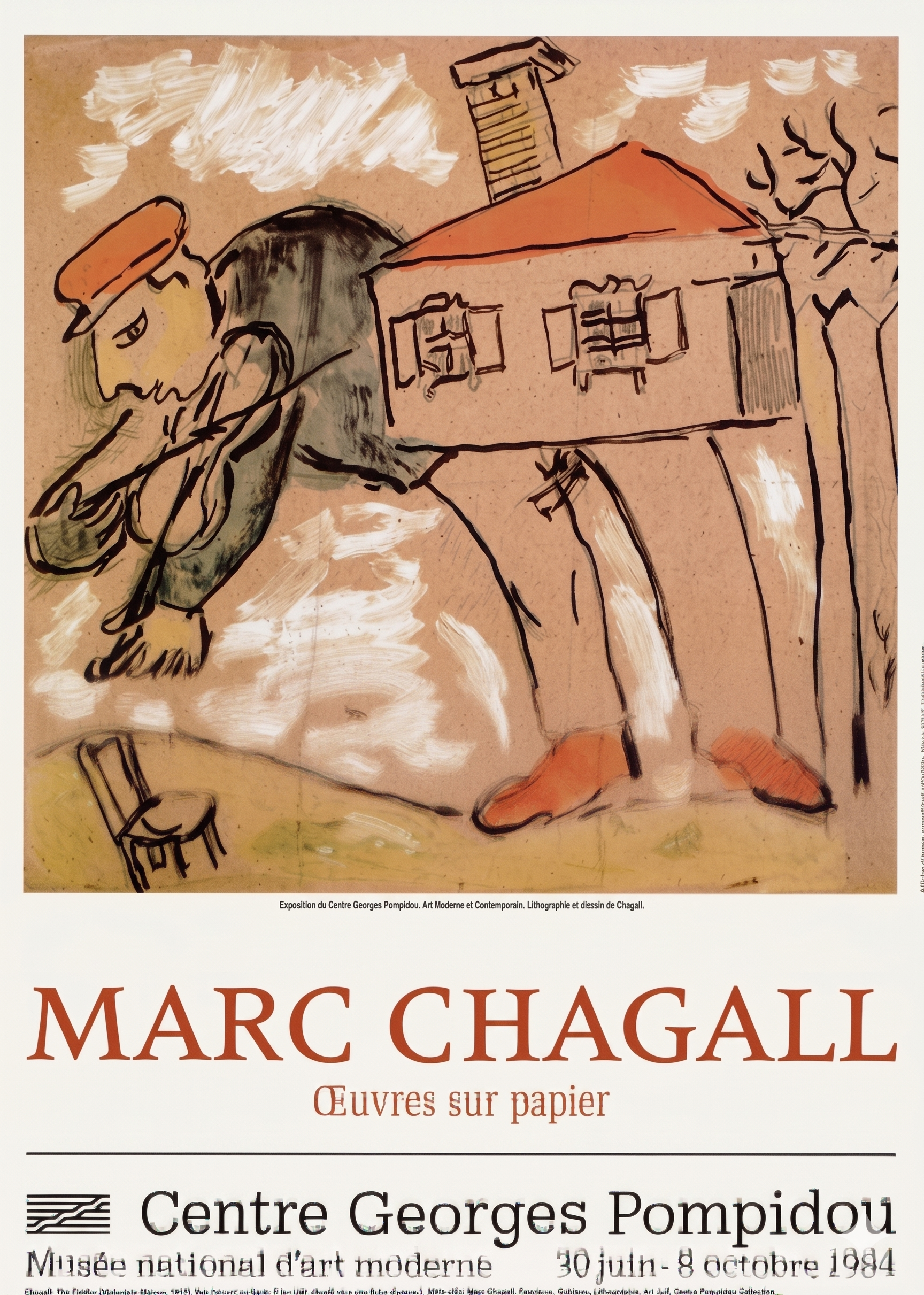
FR When speaking about Marc Chagall on the French Riviera, we are not simply talking about a painter who settled in the South of France. We are talking about a man who crossed borders, survived wars, endured exile, and ultimately found a sense of inner peace here.
Marc Chagall was born in 1887 in Vitebsk, a small town in the Russian Empire that would leave a profound mark on his entire body of work. Vitebsk was not merely the backdrop of his childhood; it became a world of its own, filled with memories, Jewish traditions, everyday scenes, snow-covered rooftops, and floating figures that would repeatedly reappear throughout his paintings.
One thing I enjoy telling visitors is that Chagall never truly left Vitebsk in his mind. Even while living in Paris, later in exile in the United States, and eventually back in France, the town continued to exist in his art. It became an imaginary place, almost mythological. In a way, the French Riviera would later play a similar role: a real territory that also became an inner landscape.
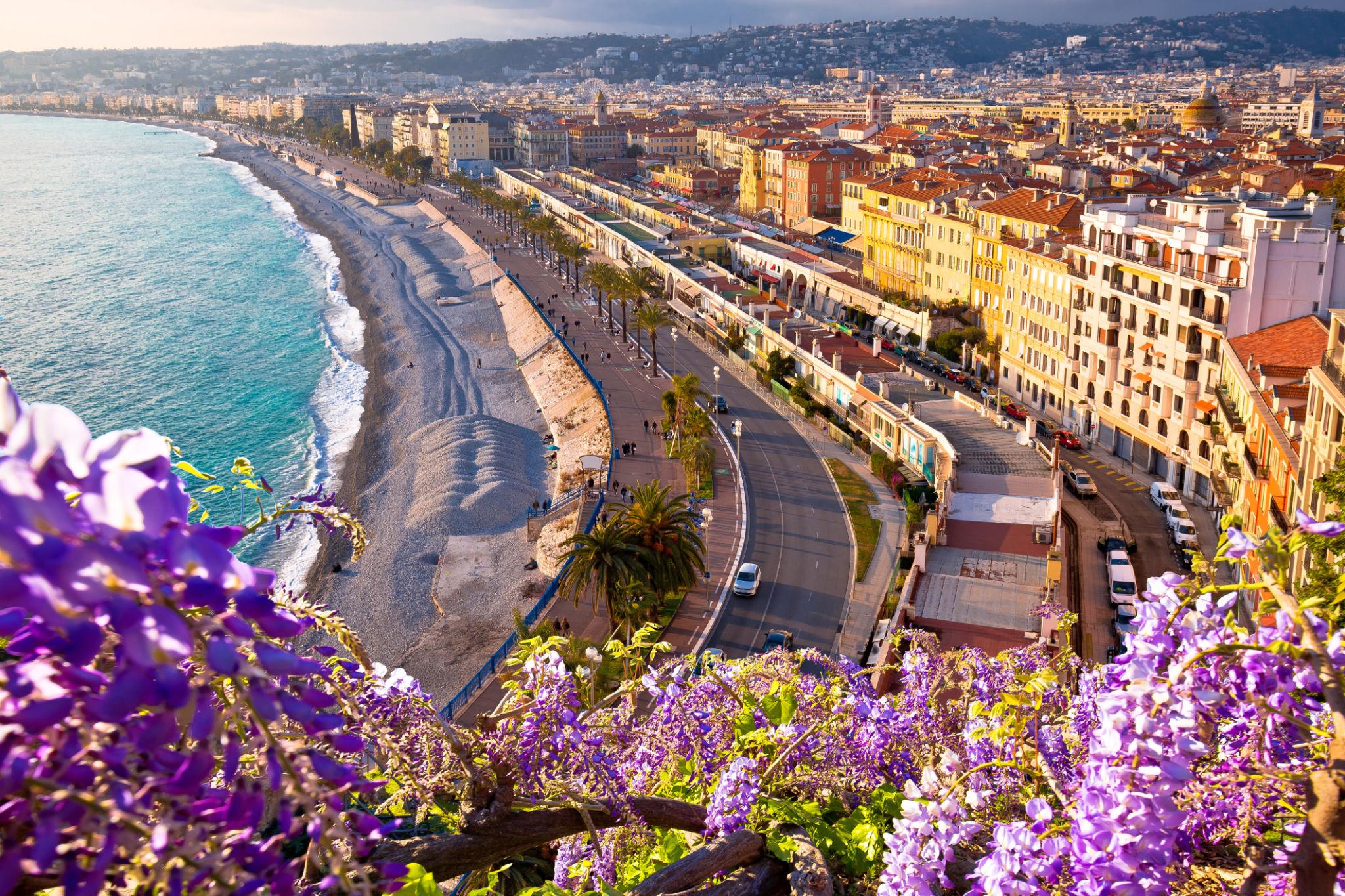
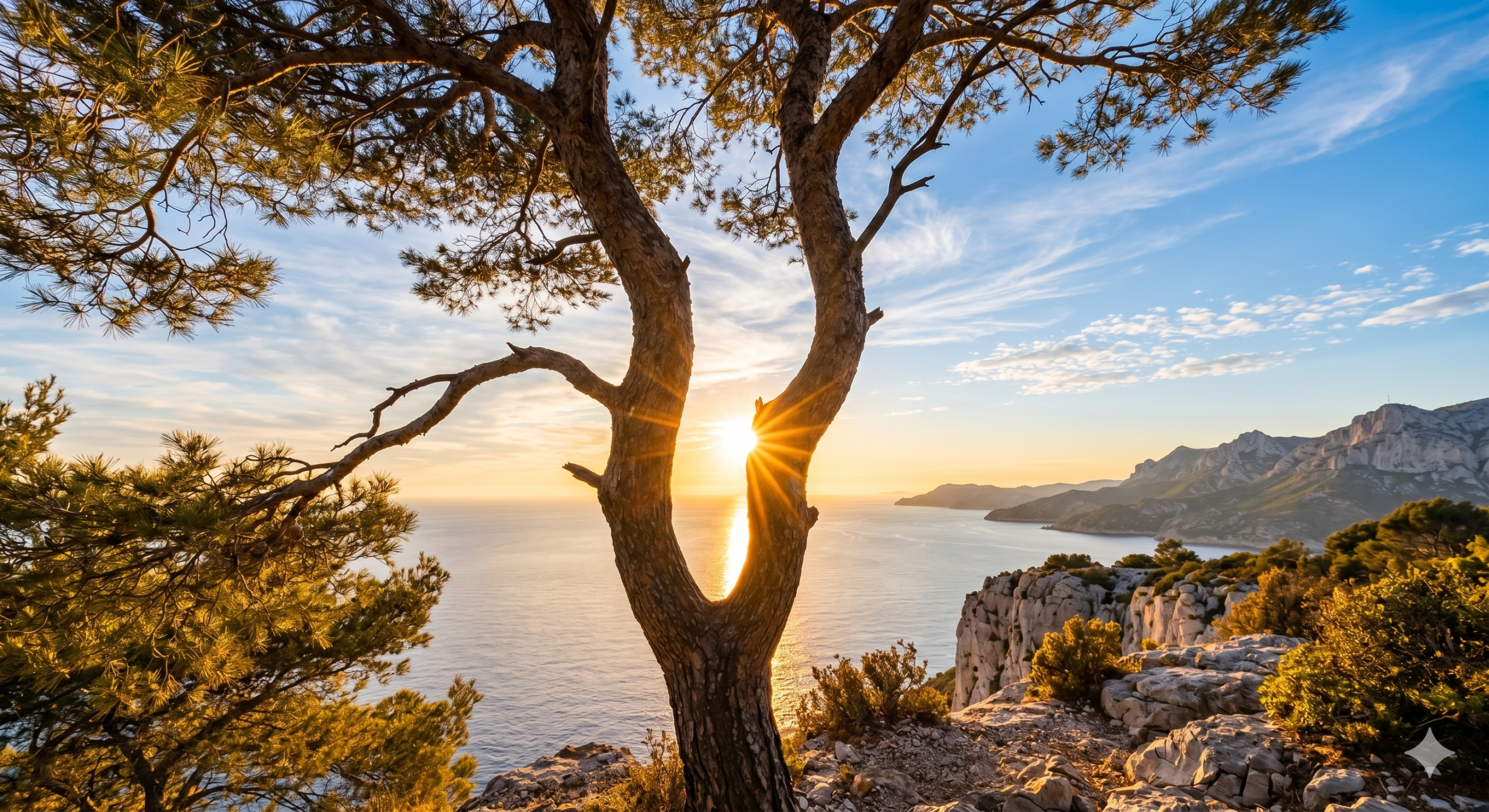
After the upheavals of the twentieth century, particularly war and exile, Chagall returned to France and eventually settled permanently in the South. There, he found a stability he had not experienced for many years. More importantly, he discovered a different pace of life, a gentleness and a light that would accompany him until the end of his life.