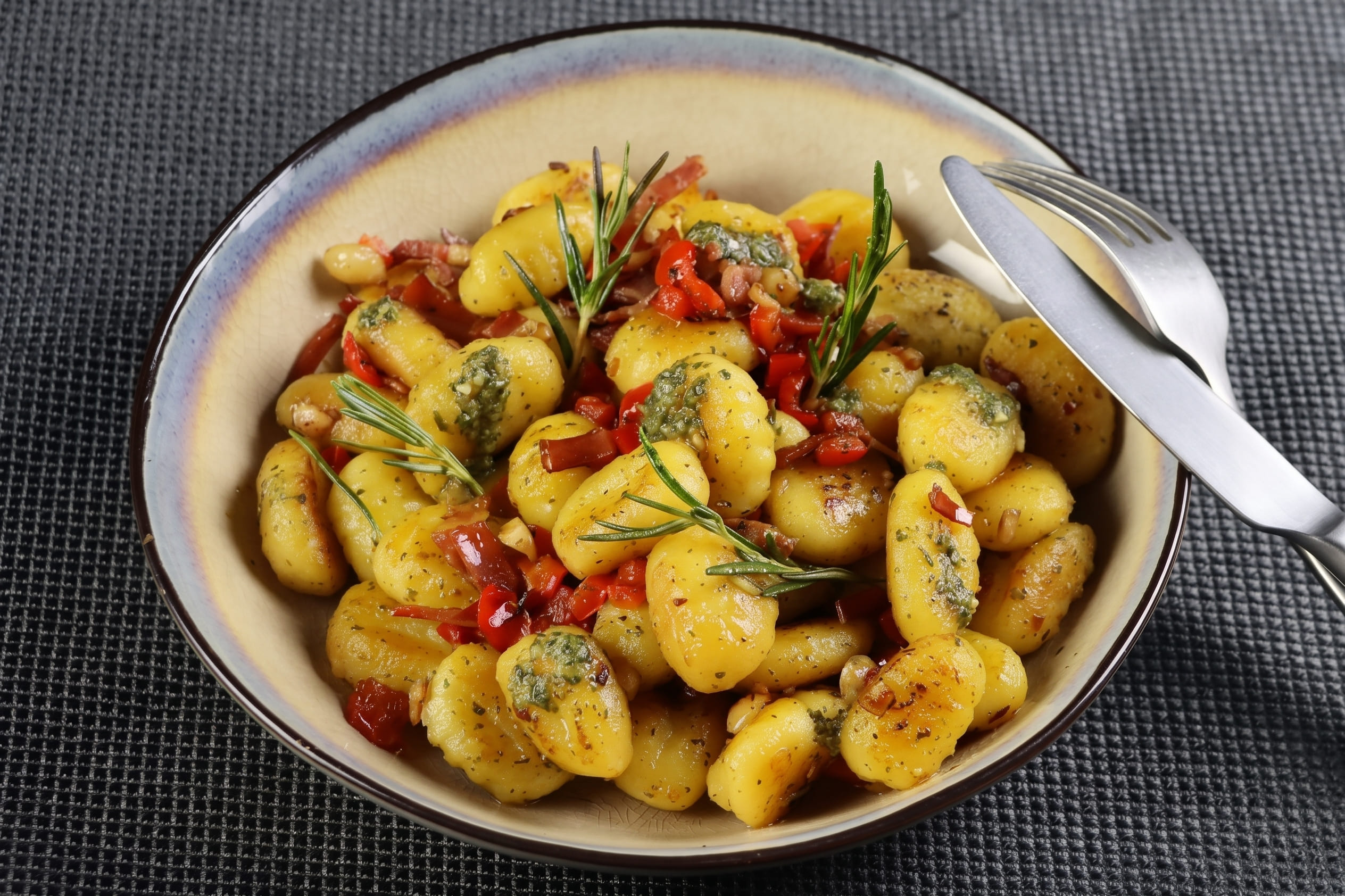
Today, gnocchi are so closely associated with potatoes that it is difficult to imagine that they existed before potatoes arrived in Europe. Yet the earliest forms of gnocchi are much older.
Originally, these small dumplings were made with a variety of locally available ingredients, including flour, water, bread and grains. Several forms of gnocchi therefore existed long before potatoes became part of European cuisine.
Potatoes gradually arrived in Europe following the discovery of the Americas and slowly became part of local diets. In Italy, they eventually became one of the main ingredients used to make the gnocchi we know today.
The word gnocchi is thought to have several possible origins. It may come from nocchio, an Italian word referring to a knot in wood, or from nocca, meaning a knuckle or joint. In either case, the name evokes the small, rounded and irregular shape of these dumplings.
And, as is often the case in Italy, there is no single recipe. Each region has its own traditions. There are potato gnocchi, as well as recipes made with ricotta, semolina, spinach or pumpkin.
Gnocchi alla romana, for example, are made with semolina and milk and are shaped into small discs before being baked in the oven. They are therefore quite different from the potato gnocchi commonly found in France.
This diversity is precisely what makes Italian cuisine so fascinating to discover while travelling. From one region to another, recipes change, local ingredients find their way onto the plate and the same speciality can take on a completely different form.
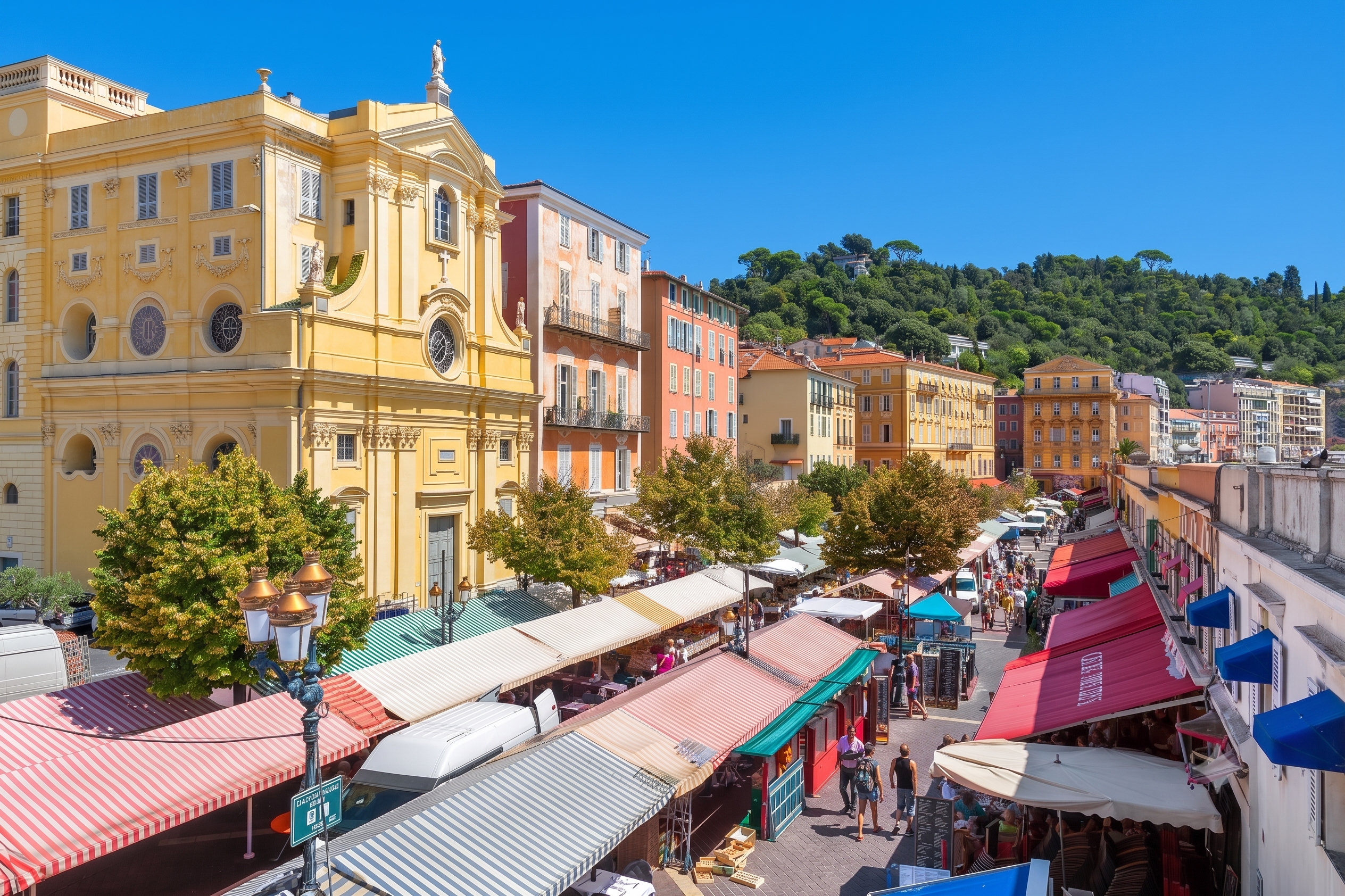
In Nice, this proximity to Italy is particularly noticeable. The city is only a few kilometres from the Italian border and has a history closely connected to its Italian neighbours. In Niçois restaurants as well as small Italian eateries in the Old Town, it is therefore not unusual to find gnocchi served with pesto, tomatoes, Parmesan or simply butter and sage.
A little tip from a local guide: if you are in Nice and enjoy discovering a city through its food, don’t limit yourself to the best-known Niçois specialities. Italian influences are an important part of the culinary identity of the French Riviera.

 EN
 FR