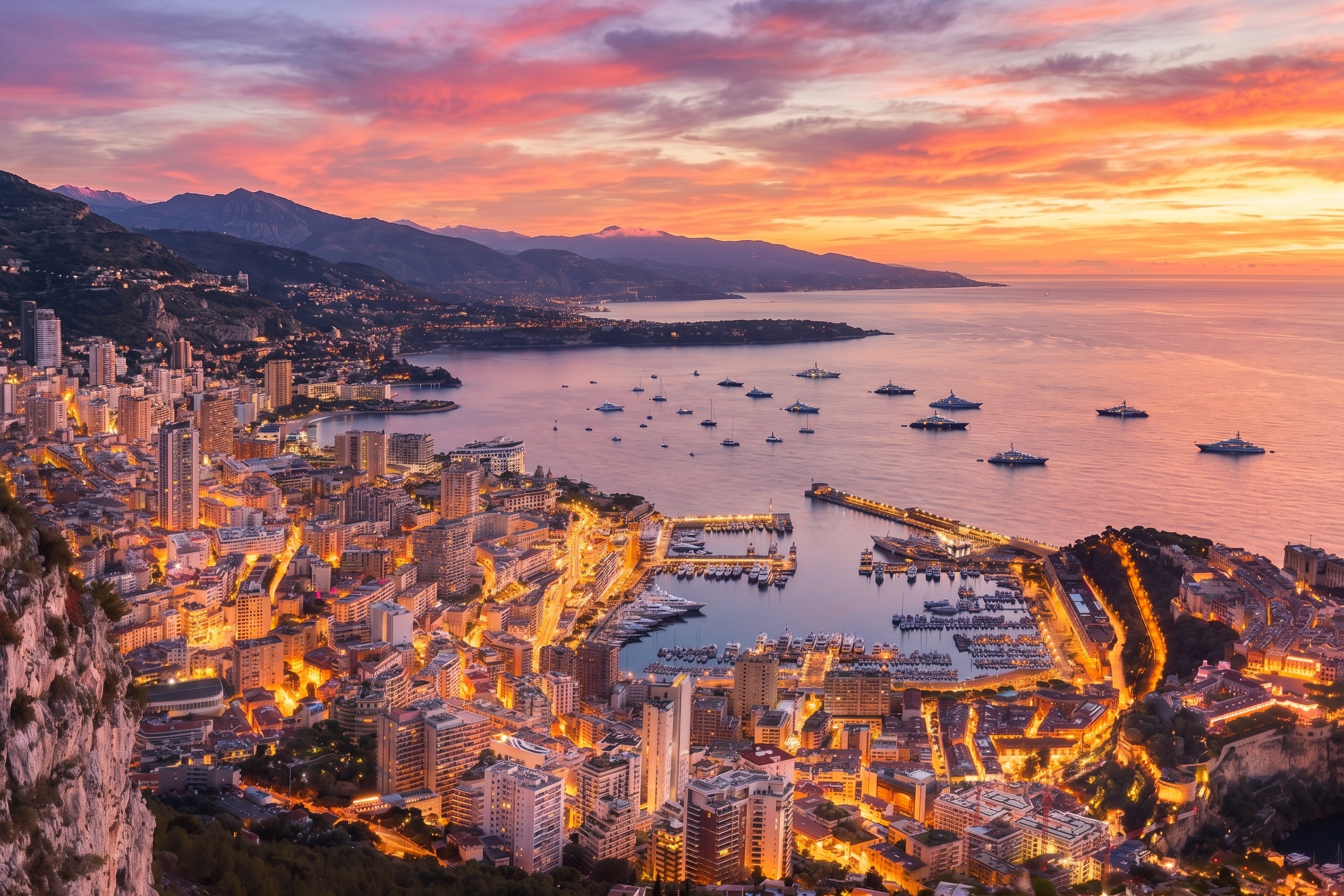
On the French Riviera, pétanque is not just a game—it’s a true institution. From the first rays of sunshine, in shaded village squares or along the seaside, the sound of metal boules clinking fills the air in a warm and convivial atmosphere. Here, playing pétanque is about sharing a moment, telling stories, and enjoying the present.
Born in the south of France in the early 20th century, pétanque finds on the French Riviera the perfect setting. The mild climate allows it to be played all year round, while the many natural playing surfaces—sand, gravel, or packed earth—create an authentic experience. From Nice to Cannes, passing through Antibes and Saint-Tropez, every town has its own boulodromes, sometimes improvised, often iconic.
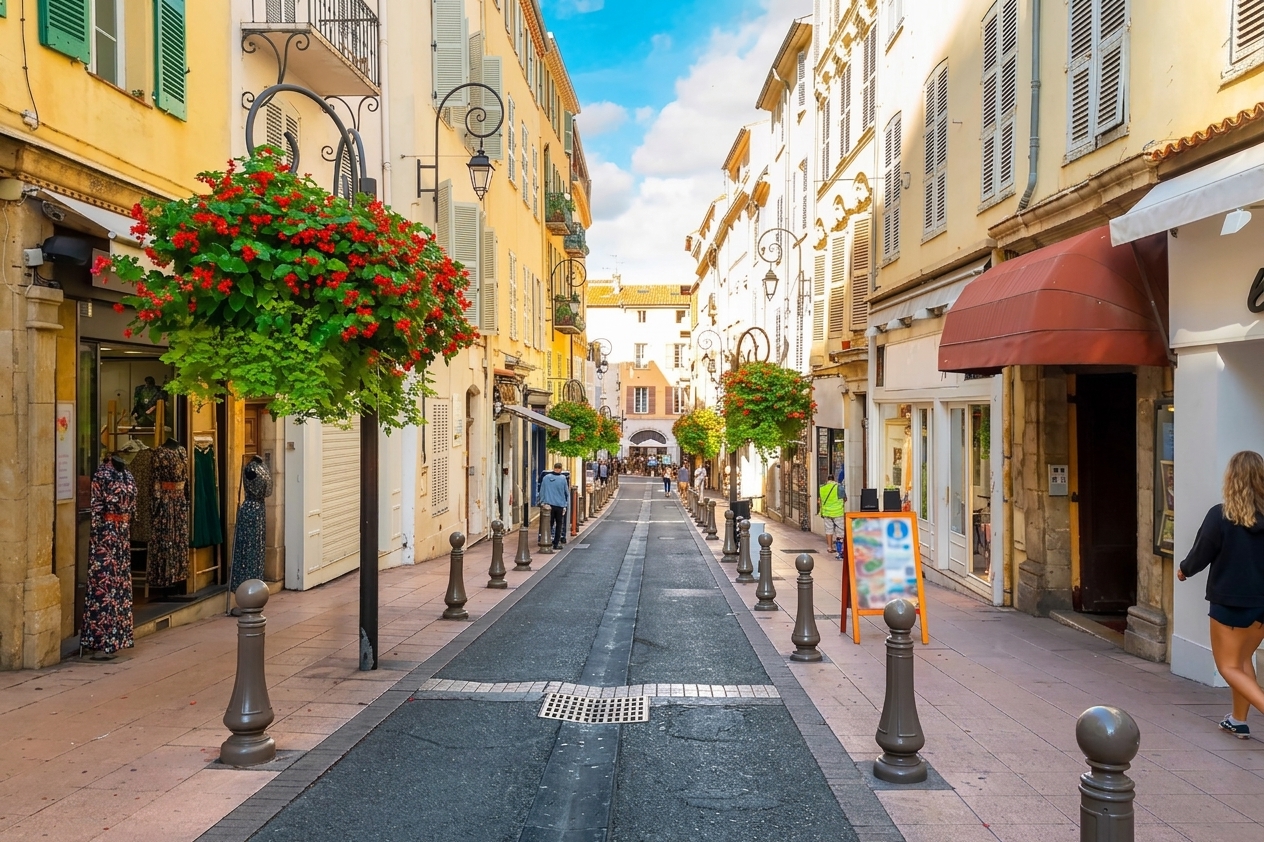
Strolling through the streets of villages like Villefranche-sur-Mer or Saint-Paul-de-Vence, you’ll likely come across passionate players, focused and carefully measuring the distance between the jack (cochonnet) and their boules with almost scientific precision. But behind this apparent seriousness lies a deep sense of conviviality. Locals are always happy to invite visitors to join—even with no experience.
Pétanque is an essential part of Provençal and Riviera identity. It perfectly embodies the region’s unique blend of simplicity, tradition, and shared pleasure.
f you want to fully experience pétanque on the French Riviera, some places are simply unmissable. Each ground tells a story, and every game becomes a memory.
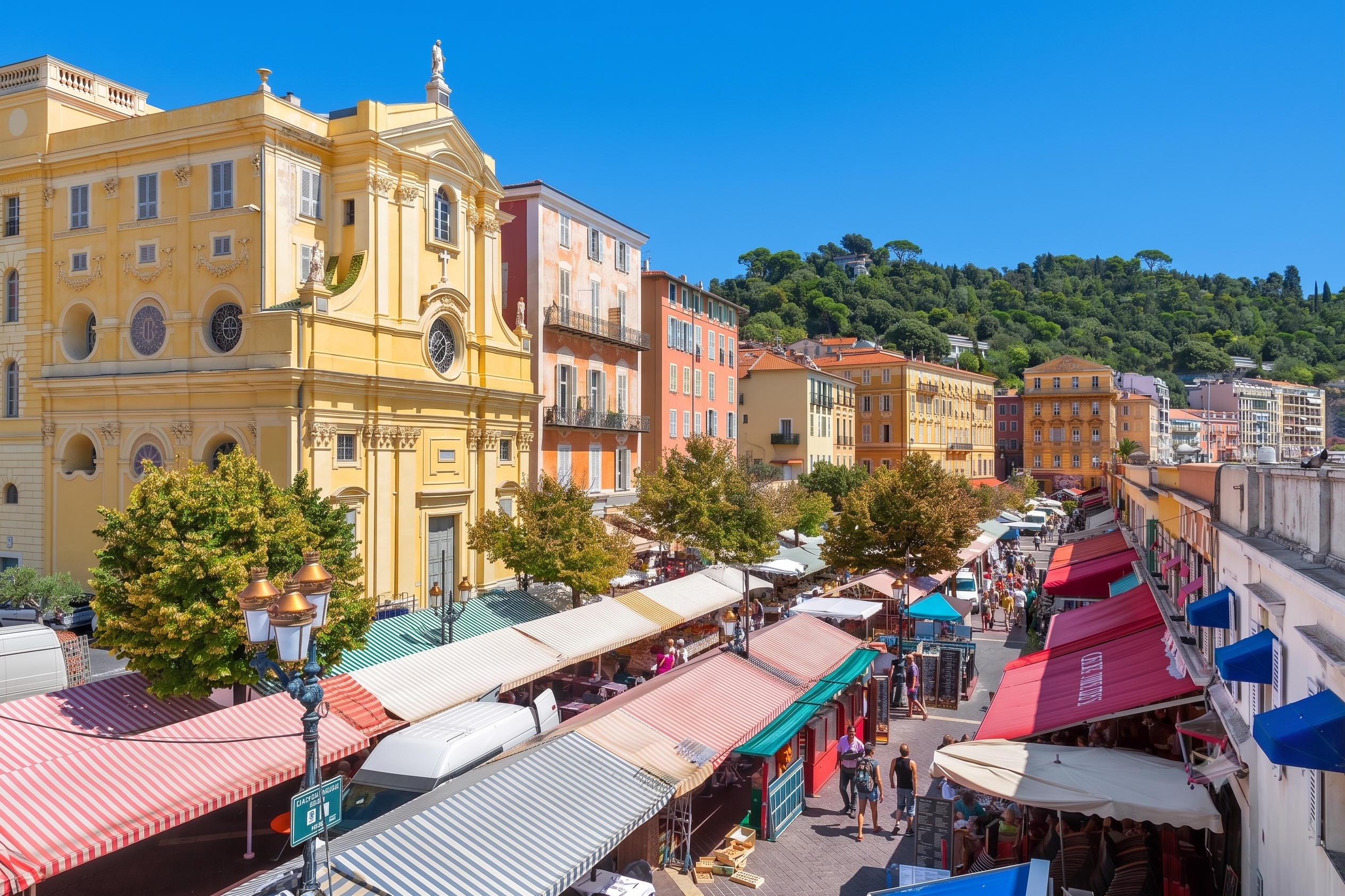
In Nice, public gardens regularly host lively games. The atmosphere is vibrant, often filled with laughter and the melodic local accent. In Antibes, Port Vauban and the ramparts offer an exceptional setting to play with views over the Mediterranean Sea.
Cannes, known for its glamour, also has its hidden pétanque spots. Behind luxury hotels and private beaches, you’ll find courts where locals and visitors mix in a relaxed atmosphere. In Saint-Tropez, the legendary Place des Lices is undoubtedly one of the most iconic locations. Here, pétanque becomes almost a spectacle, where regulars, celebrities, and curious onlookers all gather.
In the hinterland, hilltop villages offer an even more authentic experience. Imagine a late afternoon game under plane trees, overlooking the Provençal hills. The sound of cicadas, the golden light of sunset… everything comes together for a timeless moment.
These places are not just playing grounds—they are living spaces where people come to play, connect, and share.
Before you start playing, it’s helpful to understand the basic rules of pétanque, which are simple and accessible to everyone:
These simple rules make it easy for anyone to join in and quickly enjoy the authentic Riviera atmosphere.
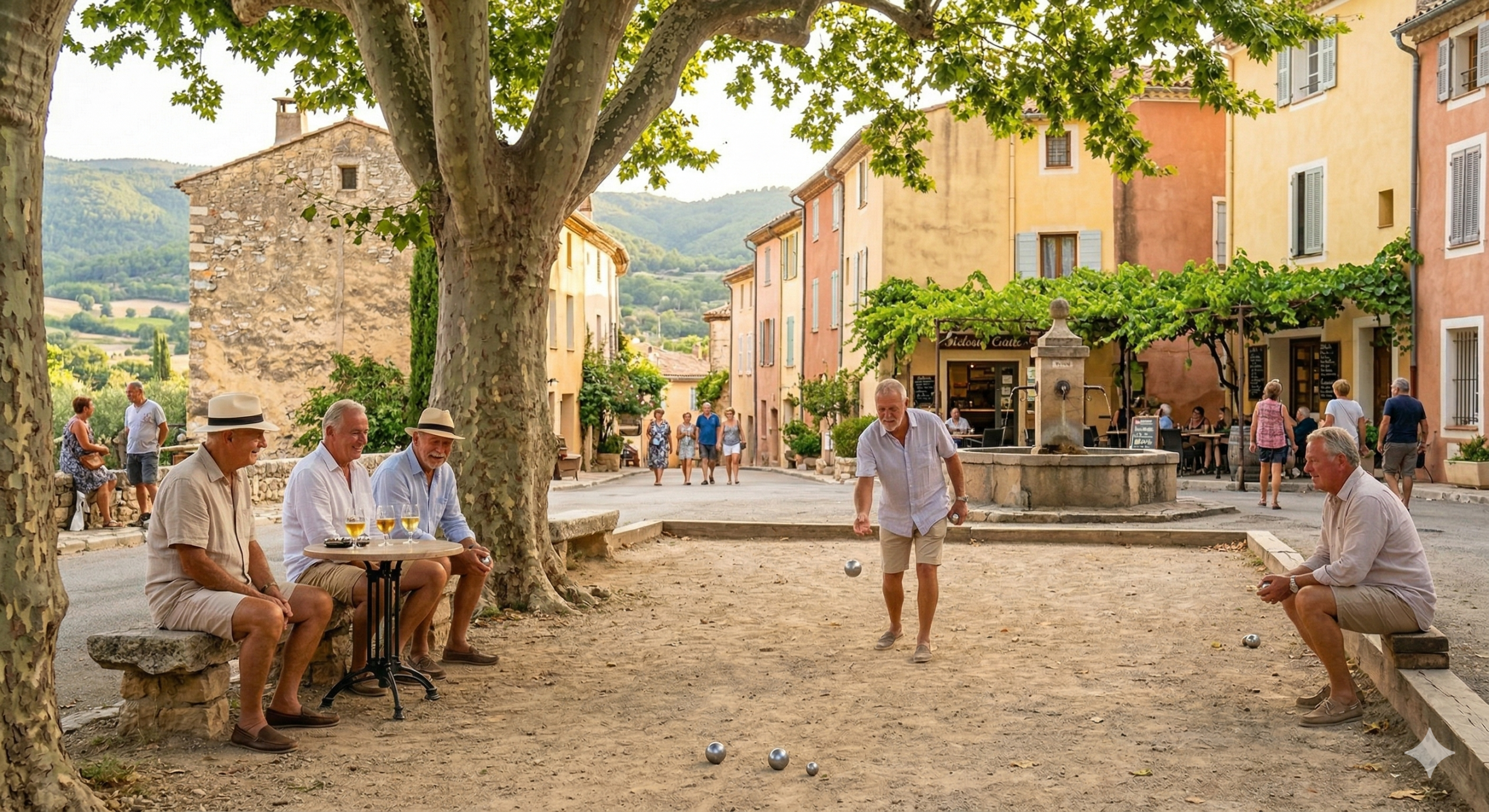
What makes pétanque on the French Riviera so special is not just the setting or the tradition—it’s the spirit surrounding it. Each game is an invitation to slow down, enjoy, and connect.
Games are usually played in teams, and every throw is accompanied by comments, advice, or jokes. The simplicity of the rules allows beginners to integrate quickly. Before long, you find yourself immersed—refining your throw, aiming more precisely… and above all, laughing.
Pétanque is also inseparable from the Riviera lifestyle. It often goes hand in hand with an aperitif—a chilled glass of rosé or a pastis—and a few local specialties. It’s a suspended moment, where time slows down, generations mix, and visitors become regulars for the duration of a game.
In summer, pétanque tournaments bring villages and towns to life. These competitions, sometimes quite serious, always remain friendly and welcoming, attracting both seasoned players and casual participants.
Taking part in a game of pétanque on the French Riviera ultimately means stepping into a culture, a rhythm, a way of life. It’s understanding that what matters most is not winning—but sharing a simple, authentic moment.

Passionate about a region she knows like the back of her hand, Sandra has been criss-crossing the roads of the Côte d'Azur and neighboring Italy for over 30 years in search of authentic places, secret addresses and human encounters.
Thanks to her experience in tourism and her curious eye, she shares her inspirations here to help you discover a Riviera that's sincere, elegant and far from cliché.


 EN
EN  FR
FR